
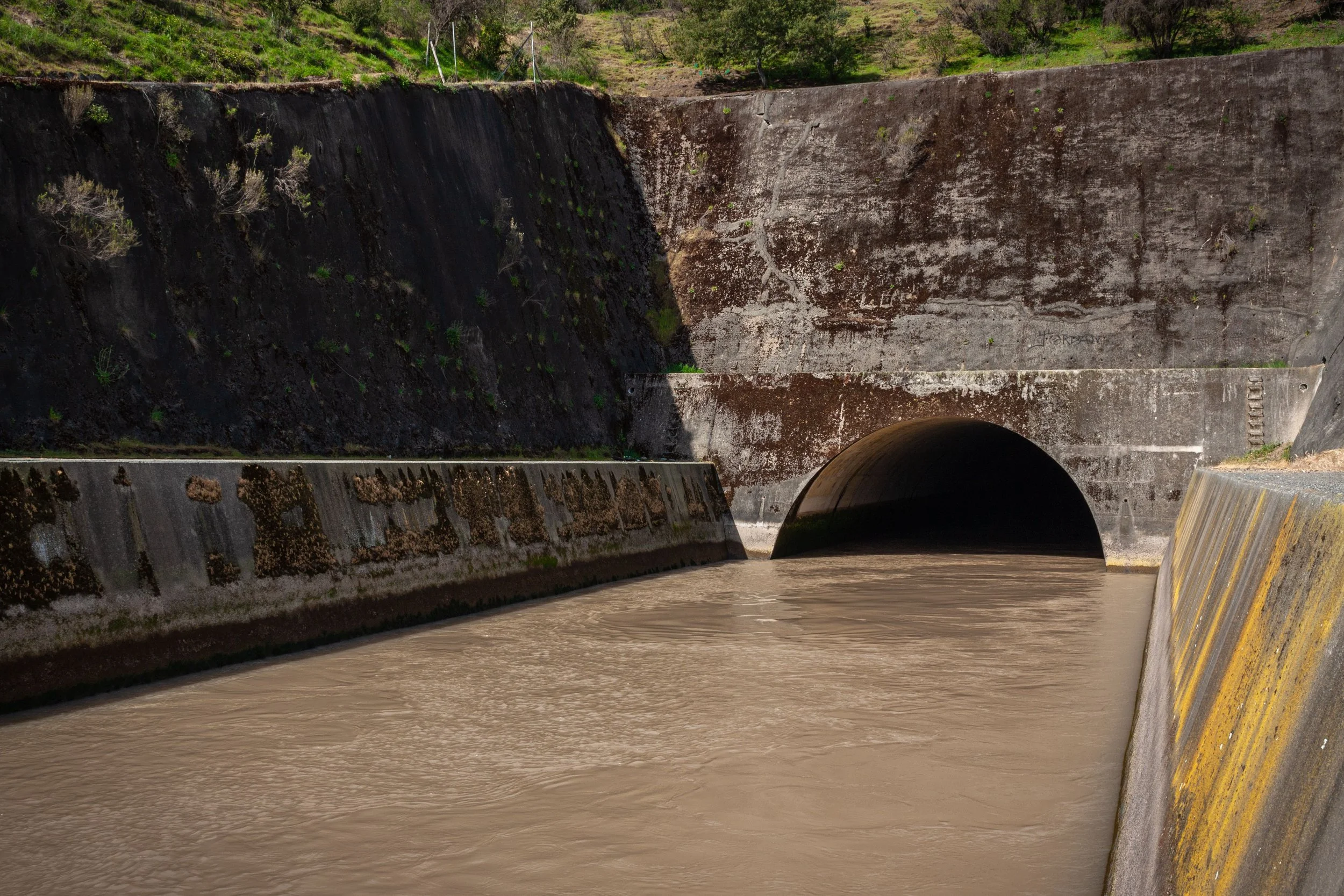
How Do You Manage Storm Water on a Rural Property?
Managing storm water on a rural property means catching water where it lands, moving it through pipe or a shaped channel, and letting it out somewhere it won't cut a hole in your ground.

What Should You Bring When You Ask a Supplier to Quote an Irrigation Project?
Bring a plan or a clear sketch, your measurements, where the water comes from, and when you need material on site. Those four things cover most of what a supplier needs to build an accurate materials list.
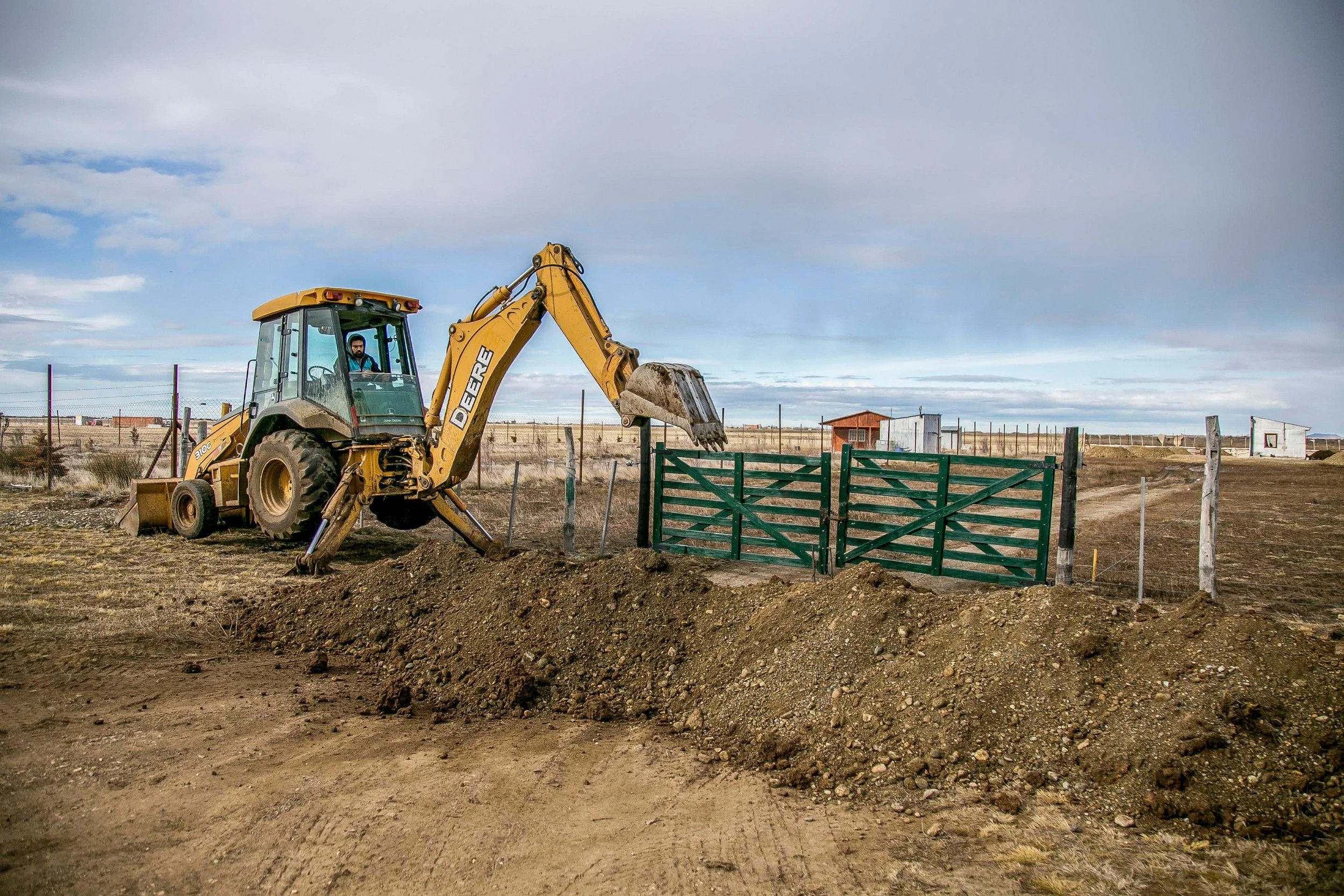
Chamber vs. Gravel Leach Field: How Do You Choose?
For most Western Colorado jobs, this one comes down to hauling. Chamber systems skip washed rock entirely, so you are not trucking gravel up a canyon road. Gravel trenches cost less where clean rock is close.
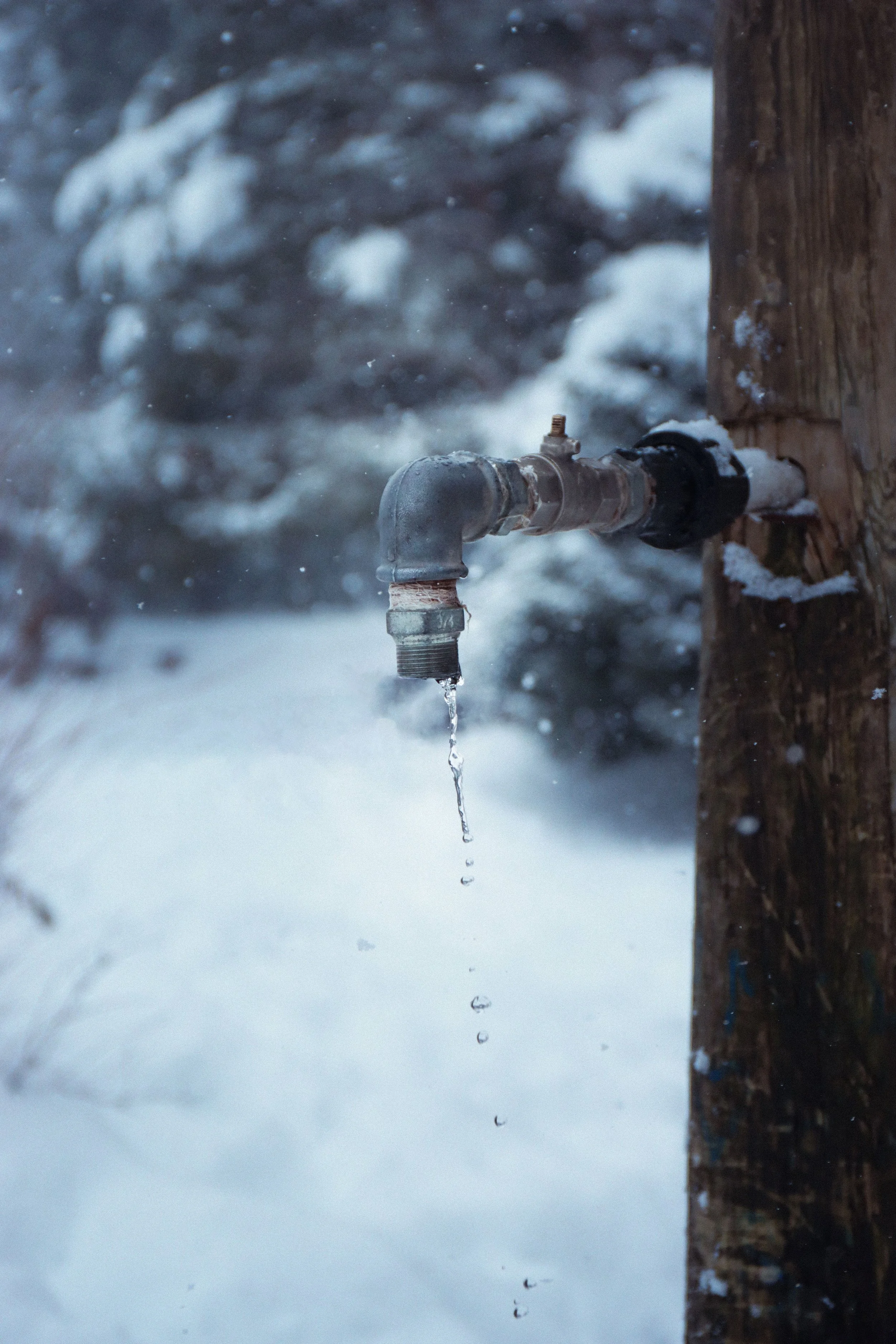
How Do You Keep a Well Pump and Pressure Tank From Freezing
Keep the pump and pressure tank in an enclosed, insulated space, and
protect the small-diameter lines first. Most freeze-ups aren't the
tank itself. Heat is the last layer, not the first.
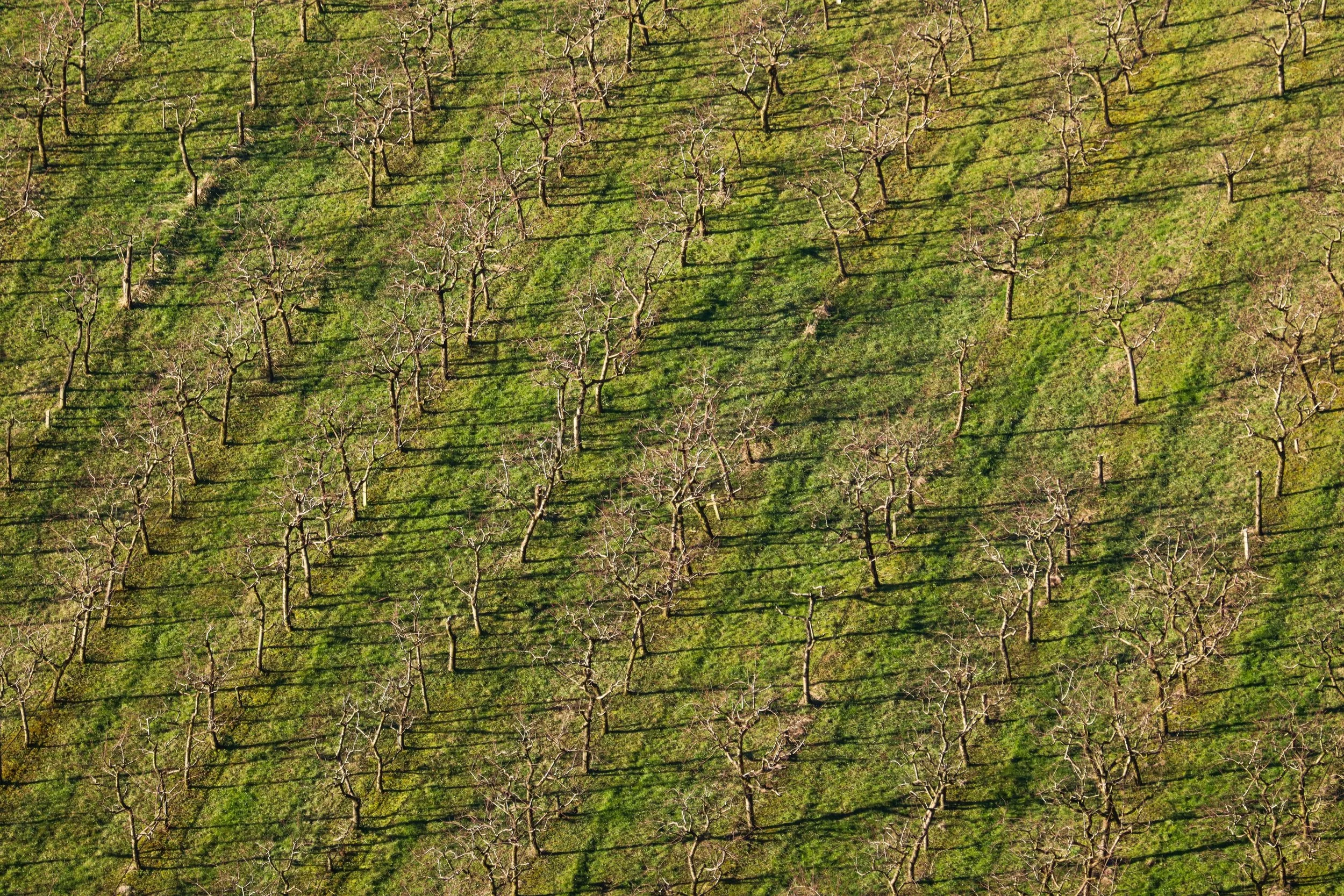
Should You Leave Drip Line in the Ground Over Winter?
Mostly, yes. Permanent dripline in an orchard or vineyard stays put, and thin-wall drip tape on annual row crops comes out with the crop. Either way,
what matters is getting the water out before it freezes.

How Do You Winterize an Irrigation System in Western Colorado?
Shut the water off, get every drop out of the lines, and protect anything that
holds water where it can freeze - draining or blowing out sprinkler and drip
lines, opening valves, and clearing yard hydrants.

HDPE vs. PVC: Which Pipe Holds Up Better in Freeze-Thaw Ground?
HDPE holds up better than PVC in freeze-thaw ground because it flexes with the soil and uses fewer joints. PVC still works in stable, straight runs.

What Does Geotextile Fabric Actually Do, and When Do You Need One?
Geotextile fabric keeps two layers of ground from mixing. Laid on the subgrade before you place rock, it stops soft, wet soil from pumping up

What Are the Warning Signs a Septic System is Failing?
A failing septic system almost always tells on itself first. Watch for slow drains and gurgling fixtures inside, and a soggy patch, bright green stripe of grass, or sewage smell over the tank or leach field outside.

What Water Systems Does a New Rural Home Need?
A new rural home needs four water systems: a domestic water supply from the well or tap to the house, an on-site wastewater system, stormwater drainage around the site, and a radon rough-in under the slab.

What Pipe Should You Use for a Residential Water Line?
For most rural homes around Hotchkiss, Olathe, and Delta, the water line from your
well or tap to the house comes down to poly pipe (HDPE) or PVC. Here's how to decide
which one belongs in your ground.

How Do You Stop a Gravel Driveway From Washing Out?
A gravel driveway washes out because water runs down it instead of off it. Cut off the uphill water, shape the drive so runoff sheds to the side, and give it somewhere to go.

How Do You Choose Culvert Pipe for a Driveway Crossing?
Match culvert pipe to four things: county requirements at the approach, how much cover it gets, what drives over it, and how the ends get protected. The install decides more than the material.

What Are the Parts of a Septic System, and What Does Each One Do?
A septic system has four parts working in order: a tank that separates, a filter or pump that controls what leaves, distribution that spreads the flow, and a drainfield where the soil does the treatment.

How Do You Know It's Time to Shut Down Your Irrigation for the Season?
Three things set your irrigation shutdown date: when the ditch company shuts off, when your last crop no longer needs water, and how much freeze risk you will carry with full lines.